
A registered psychiatric nurse assesses and treats individuals who have mental health disorders, such as substance use. Interested in how to become a psychiatric nurse? You’ll need to earn a nursing degree and pass the NCLEX. Then, you can pursue advancement opportunities within psychiatric nursing.

Each year, more than one in five U.S. adults experiences a mental illness, ranging from depression to schizophrenia. Patients with mental health disorders can benefit from compassionate, empathetic nurses who apply their clinical expertise in a nonjudgmental manner. If you believe this could describe you, you may have what it takes to become a psychiatric nurse. Learning how to become a psychiatric nurse is the first step toward changing your career.
The next step in becoming a psych nurse is to enroll in a nursing program to earn a Bachelor of Science in Nursing (BSN). At Averett University, it’s possible to apply your past education to earn a BSN in as few as 16 months. Our Accelerated BSN (ABSN) program is designed for career switchers interested in pursuing nursing’s many specialties, such as behavioral health.
To get started, take a closer look at the role of the registered psychiatric nurse to determine if it could be the right career for you. Then, learn how to become a mental health nurse and explore career advancement possibilities.
What Is a Psychiatric Nurse?
Psychiatric nurses work with individuals, families, groups, and communities to prevent and treat mental illnesses, as well as promote good mental health. These nurses develop strong therapeutic relationships with patients and their families, working closely with them to help them manage conditions like substance use disorders, depression, and schizophrenia.
A mental health nurse may work in a variety of settings, including hospitals, outpatient clinics, dedicated inpatient treatment centers, and correctional facilities. These nurses handle a variety of tasks, such as:
- Case management
- Counseling
- Crisis intervention
- Medication administration
- Patient assessments and intake
A registered nurse who specializes in psychiatric nursing is not the same as a psychiatric-mental health nurse practitioner (PMHNP), which is a type of advanced practice registered nurse (APRN). Compared to RNs, APRNs have more autonomy and a broader scope of responsibilities. For example, they have prescribing authority in some states.
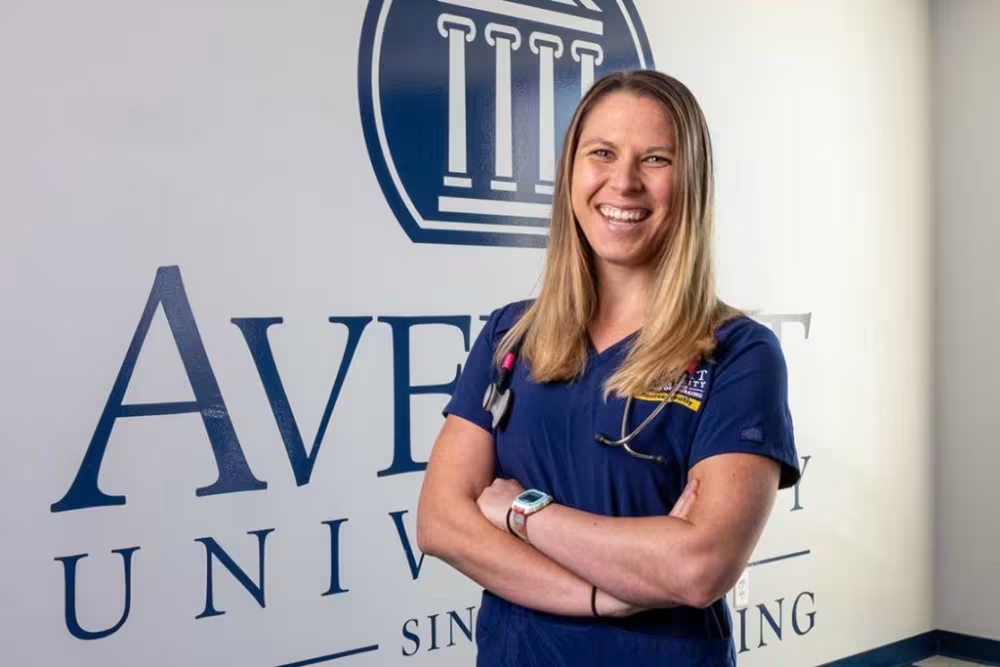
Discover 13 other nursing specialties in high demand.
Step-by-Step Guide on How to Become a Psychiatric Nurse
If psychiatric nursing sounds appealing to you, learn how to become a psych nurse with these five steps:
Step 1: Earn a Nursing Degree
It’s possible to become an RN with either a BSN or an Associate Degree in Nursing (ADN). A BSN is preferable, however, for the following reasons:
- Employers prefer BSN-prepared nurses.
- BSN-prepared nurses contribute to better patient outcomes.
- A BSN lays the foundation for pursuing a graduate degree in nursing, which is necessary to become a PMHNP.
A BSN program, such as Averett’s ABSN program for students with a non-nursing bachelor’s degree or at least 60 college credits, offers comprehensive, in-depth coursework and clinical experiences. You can expect the curriculum to cover topics such as:
- Adult health
- Clinical management of disease
- Maternal and child health
- Mental health
- Patient assessments
- Public health
Step 2: Pass the NCLEX-RN Exam
After earning a BSN, your next step is to pass the NCLEX-RN exam. The NCLEX assesses your nursing knowledge and ability to form appropriate nursing decisions for various patient care scenarios. Some of the content areas of the exam include:
- Health promotion and maintenance
- Psychosocial integrity
- Physiological integrity
Since the NCLEX is a challenging exam, expect to spend a significant amount of time preparing for it. Averett ABSN students will have access to our Academic Success Coaches, who can assist with NCLEX prep, such as helping develop active study techniques. It’s also a good idea to answer practice questions and take full-length practice exams.
Step 3: Obtain RN Licensure
After passing the NCLEX, you can obtain your state-issued nursing license. You’ll also need to meet any other requirements established by your state’s board of nursing, such as passing a background check.
Depending on your goals, you may want to apply for a multistate license. Thanks to the Nursing Licensure Compact (NLC), multistate licenses allow nurses in one member state to practice in other member states without having to obtain separate licenses. With an NLC license, you could work as a travel nurse or a telehealth nurse.
Step 4: Gain Clinical Experience
You can begin pursuing entry-level roles as a registered psychiatric nurse as soon as you have your license. If you’re having trouble finding a psych role right away, consider looking for a similar position in other departments.

Step 5: Specialize in Psychiatric Nursing
As you gain experience, you may decide to choose a subspecialty in psychiatric nursing. Some subspecialties include:
- Disaster relief mental health
- Forensic psychiatric nursing
- Geriatric
- Pediatric and adolescent
- Substance abuse
Along the way, you’ll benefit from any available on-the-job training programs and mentorship opportunities.
Optional Certification for Psychiatric Nurses
Obtaining an optional certification in psychiatric nursing can highlight your expertise and may open the door to new career opportunities. Offered by the American Nurses Credentialing Center (ANCC), the Psychiatric-Mental Health Nursing Certification (PMH-BC) is available to registered psychiatric nurses with at least two years of experience who have completed a minimum of 2,000 hours of psychiatric nursing and 30 hours of relevant continuing education in the last two years.
To obtain this certification, you’ll need to pass an exam covering various areas of psychiatric-mental health nursing practice, including psychiatric medications, therapeutic communication, treatment plans, and neuroanatomy.
How Long Does It Take to Become a Psychiatric Nurse?
The timeline can vary, depending on your starting point and career goals. It can take anywhere from two to four years to earn a nursing degree and obtain a license. You’ll also need additional time to acquire the clinical experience needed for certification, if desired. Becoming a PMHNP may take six to eight years or more.
Career Paths for Registered Psychiatric Nurses
A variety of career paths exist within this specialty area. You might work as an RN in a psychiatric unit and later decide to pursue an advanced practice role as a PMHNP. There are also opportunities to consider in community health, forensic nursing, and telehealth psychiatric nursing.

What’s a nurse practitioner, and could this be the right path for you?
Skills and Traits Needed to Succeed as a Psych Nurse
Effective psychiatric nurses possess a variety of soft and hard skills, including:
- Communication skills
- Compassion and empathy
- Conflict resolution
- Crisis intervention
- Emotional resilience
- Medication administration
- Patience
- Therapeutic techniques
FAQs About Becoming a Psychiatric Nurse
Explore some frequently asked questions to better understand how to become a mental health nurse:
Is Psychiatric Nursing Hard?
While very rewarding, psychiatric nursing has its challenges. Not all patients are easy to work with, and some are unpredictable. Depending on the work setting, psych nurses might also need to work long hours. The work can sometimes be emotionally draining. Yet, psych nursing also has its benefits, such as the opportunity to empower patients who need it most and who suffer the effects of social stigma.
What’s the Salary Range for Psychiatric Nurses?
According to the U.S. Bureau of Labor Statistics (BLS), all types of RNs made a median annual salary of $93,600 as of May 2024. The BLS does not track earnings specifically for psychiatric nurses. All types of nurse practitioners, including PMHNPs, earned a median annual salary of $129,210 in May 2024.
What Is the Main Focus of Psychiatric Nursing?
Psychiatric nursing focuses primarily on assessing and treating patients with mental health disorders. Not all mental health disorders are curable, so some patients require lifetime management. Psychiatric nurses focus on developing therapeutic relationships based on trust and empathy.
What Are the Basic Principles of Psychiatric Nursing?
Some of the basic principles of psychiatric nursing include refraining from passing judgment and accepting patients as they are. Psych nurses must be able to see the worth, dignity, and value of all people and work with respect and integrity.

Final Thoughts: Is Psychiatric Nursing Right for You?
Psychiatric nursing could be the right choice for you if you’re interested in a high-demand nursing specialty that offers opportunities for career advancement, personal fulfillment, and ongoing learning experiences.
You can learn more about psychiatric nursing with the following resources:
- American Psychiatric Nurses Association (APNA)
- International Society of Psychiatric-Mental Health Nurses (ISPN)
- National Association of Psychiatric Mental Health Nurse Practitioners (NAPMHNP)
Pursue Your Nursing Degree at Averett University
At Averett University, you can accelerate your career pathway toward mental health nursing. After completing any needed prerequisites, you could graduate in as few as 16 months. Plus, you’ll have personalized support from our admissions advisors and Academic Success Coaches, along with attentive faculty.
Contact our admissions team today to learn more and discover if you’re eligible to apply.