
Nurses need a combination of hard and soft skills. Some of the most important soft skills for nurses include compassion, leadership, collaboration, problem-solving, attention to detail, commitment to lifelong learning, determination, time management, respect, and accountability. Soft skills elevate the standard of patient care and create a positive work culture.

Nurses are highly skilled clinicians who can place IV lines, provide wound care, and calculate appropriate medication dosages. They work with considerable autonomy and make nursing care decisions, sometimes in life-or-death situations. As important as their clinical skills are, nurses also need to rely on soft skills. Soft skills for nurses enable them to serve as patient advocates, educators, and effective team members.
The Accelerated Bachelor of Science in Nursing (ABSN) program at Averett University is committed to developing future nursing leaders who deliver exemplary patient care. With a curriculum that emphasizes professional ethics and patient-centered care, Averett’s ABSN program provides effective preparation for future registered nurses (RNs) who benefit from both soft and hard skills.
Before exploring the important soft skills needed to be a nurse, make sure you understand the difference between hard and soft skills and discover why soft skills are so important. Then, explore the top 10 soft skills in nursing and consider how you can develop them.
What’s the Difference Between Soft and Hard Skills?
Hard skills, also called technical skills, are job-specific skills learned through training and education. For nurses, these include placing an IV line or administering medications.
Whereas hard skills are quantifiable, soft skills are subjective. They include personal traits and characteristics that influence how a person interacts with others and does their job. Some examples of soft skills for nurses include teamwork and communication.
Why Are Soft Skills in Nursing Essential?
The nursing profession relies upon trust. Nurses must establish a good rapport with their patients and demonstrate that they can be trusted. Soft skills are essential in accomplishing this. They also allow nurses to:
- Advocate for patients
- Analyze patient data and solve problems
- Communicate clearly
- Coordinate care
- Manage emotions in high-stress situations
- Resolve conflicts
- Work as part of a team effectively
1. Compassion
The central role of nursing is caring for others, and having a heart aligned with that purpose is essential. Nurses often enter the field because they find joy when supporting people in need.
As you work with patients during nursing school clinical rotations, practice compassion by listening. Sit down and take time to connect with them and understand their concerns. Show them that you’re genuinely concerned about their welfare.
2. Collaboration
Healthcare is a team-focused profession. As a nurse, you will work with care providers who have equally important roles, including doctors, therapists, pharmacists, and nurse practitioners. Patient outcomes benefit when all members of the care team can work together effectively.
In nursing school, you can practice working with your peers to accomplish goals during your nursing labs and clinical rotations. Delegate tasks and use each other’s strengths to provide the best care to your patients.

Learn more about the value of teamwork in nursing.
3. Attention to Detail
Many nursing tasks require precision and accuracy. While measuring and administering medications, managing ventilator settings, and inputting data into electronic medical records, accuracy is essential.
You also need to be attentive to small changes in your patients. Small differences in vitals or patient behavior can often be precursors to larger issues, so notice these changes and act accordingly. During nursing school clinicals, practice being attentive and accurate when completing tasks and caring for patients.
4. Respect
As a nurse, you’ll have the opportunity to treat people of all different backgrounds. Sensitivity and understanding people’s cultural, religious, and economic differences are paramount when building trust with your patients. You should strive to respect your patients, peers, and coworkers. The best nurses show respect by recognizing the value of every person, having curiosity about differences, and listening to everyone’s unique story.
5. Problem-Solving
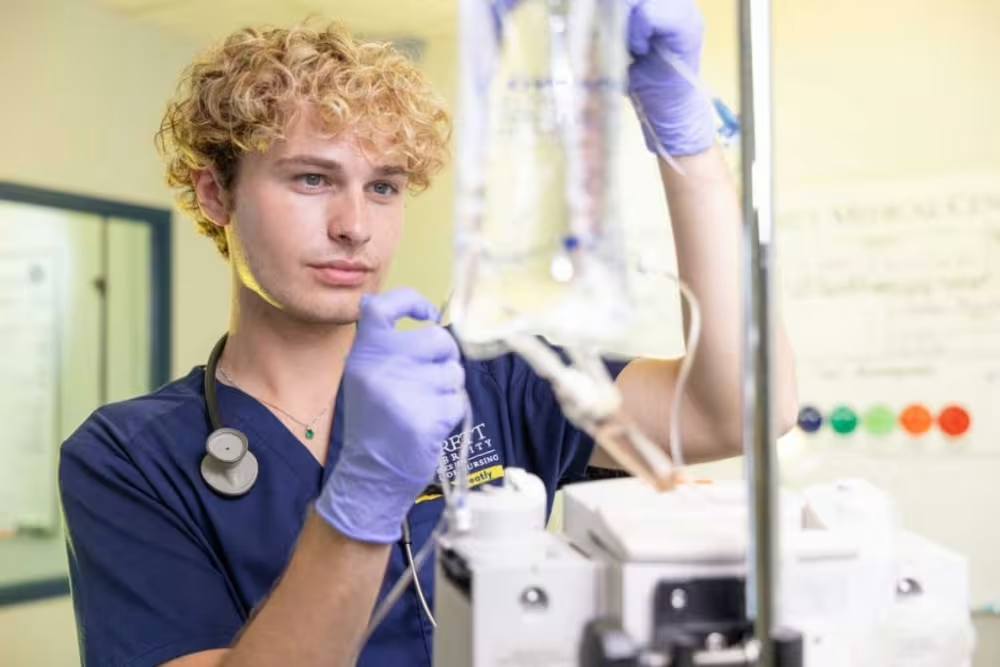
In nursing, critical thinking and problem-solving skills go hand-in-hand. The nursing field is often challenging, and it’s your job to contribute to solutions. Whether determining how to help a patient gain strength after surgery or deciding on the best strategies to prevent pressure ulcers in a bedridden patient, you’ll need to thoughtfully apply your knowledge.
6. Time Management
You will seldom be bored as a nurse, given how busy the typical RN is. Time management skills are essential for ensuring that patients receive the care and attention they need.
Nurses are acutely aware of timing because one patient may need treatment every four hours, while another needs medications every three hours, and so on. Keeping track of your schedule can be challenging at first, but you will adapt. As you go through clinical rotations, observe how other nurses manage a full workload.
Preparation is critical for success in clinicals. Follow time-tested tips for nursing students.
7. Leadership
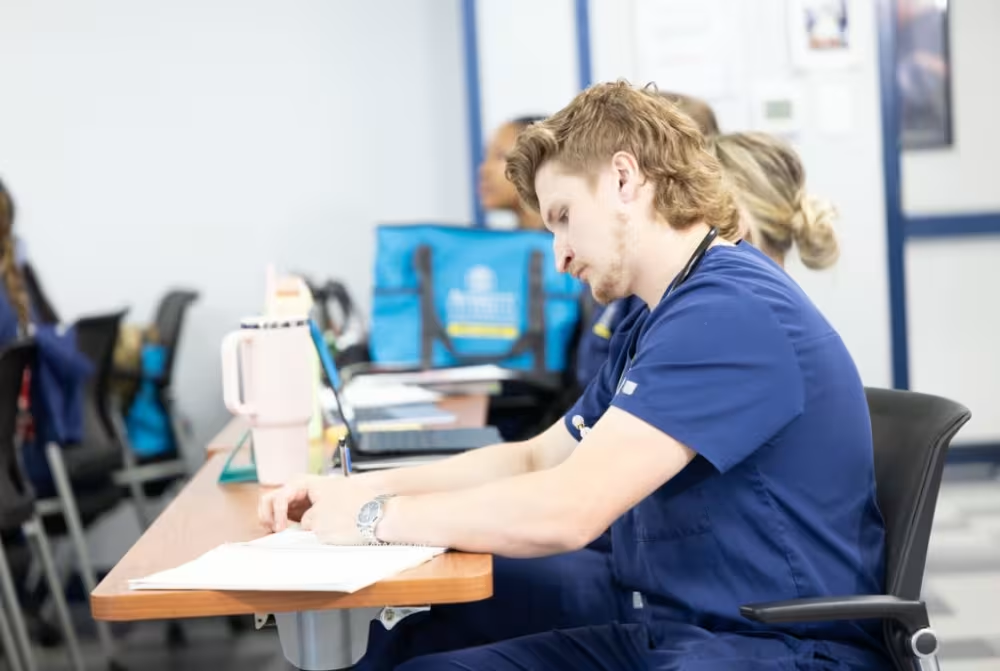
Leadership is not just a function of management and administration. Every nurse needs leadership skills, regardless of their job title. You’ll regularly rely on leadership skills, such as when guiding a patient through a stressful procedure, training a newly hired nurse, or mediating a conflict between coworkers.
To develop leadership skills, observe the leaders around you and take note of their strategies and leadership styles. Effective leaders support and encourage their team while staying focused on the mission at hand.
8. Lifelong Learning
Nurses need to commit to lifelong learning and ongoing professional development. Read nursing journals, attend conferences, and complete continuing education hours to ensure you stay at the top of your game.
9. Determination
The best nurses are dedicated to caring for and supporting patients. Becoming a nurse is challenging, but staying committed to reaching your goals can support your success.
You’ll balance online coursework with in-person experiences, including skills and simulation labs and clinical rotations. Once you graduate, you’ll need the determination to study for the NCLEX-RN.

Want to become a nurse fast? Follow these 7 steps to achieve your goal quickly.
10. Accountability
Every nursing student and licensed RN will make mistakes from time to time. It’s essential to hold yourself accountable. Immediately discuss the mistake with your supervisor or clinical instructor, and take the necessary steps to fix it before it can cause harm to a patient.
Practical Tips for Gaining Soft Skills in Nursing School
There are several ways you can work on developing your soft skills while still a nurse. The most important step is to practice self-awareness. Reflect on some challenging situations you’ve experienced and analyze how well you handled them. Which soft skills would have improved your ability to navigate those situations? Perhaps clearer communication would have headed off a misunderstanding, for example.
After identifying the soft skills you need to develop, start actively cultivating them. If listening is not your strength, start practicing active listening when working with your nursing cohort during simulation labs. Pay close attention and work on processing information appropriately.
Other steps you can take include:
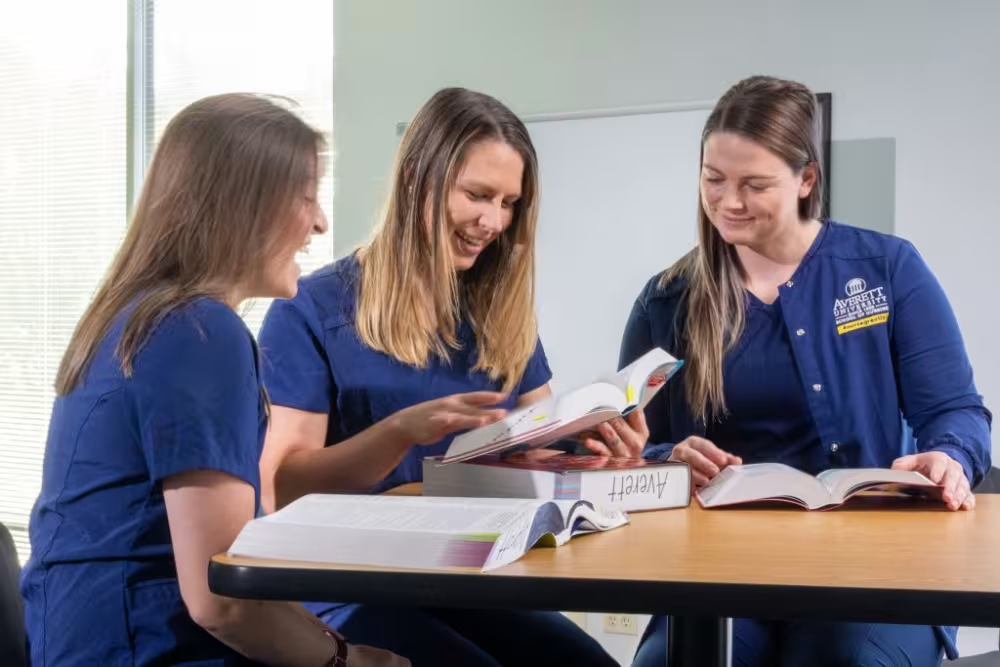
- Organize a study group to improve teamwork and leadership skills.
- Role-play patient care scenarios with members of your nursing cohort to practice communication skills.
- Seek feedback from clinical instructors on your performance.
- Participate in job shadowing to experience how soft skills are used in the workplace.
- Seek mentorship opportunities for personalized guidance.
Begin Your Nursing Path at Averett
Averett University will help you develop important soft skills during the ABSN program. If you have at least 60 non-nursing college credits or a completed non-nursing bachelor’s degree, you might be eligible to apply and earn a Bachelor of Science in Nursing (BSN) in as few as 16 months. During clinical rotations in Norfolk, Virginia, you’ll begin practicing essential soft and hard skills in a variety of nursing practice areas, including adult health, pediatrics, and mental and behavioral health.
If you want to earn a BSN quickly, Averett’s ABSN can get you there. With three start dates per year, you can start your nursing journey sooner than you may think. Contact an admissions advisor today to get started.